CLD210M Differential Cylinder Pressure Tester: A Comprehensive Overview
The Mac Tools CLD210M is a vital diagnostic tool, supported by readily available manuals and online resources․ It aids in pinpointing internal engine issues,
like worn rings or faulty valves, through precise pressure measurements․ This tester, often found in plastic carry cases, is a valuable asset for mechanics․
The Mac Tools CLD210M Differential Cylinder Pressure Tester represents a significant advancement in engine diagnostic capabilities․ This tool, frequently referenced alongside its accompanying manual, allows technicians to efficiently assess the health of an engine’s cylinders․ Its core function revolves around measuring the difference in pressure between cylinders, revealing potential internal problems․
Information gleaned from online sources, including service manuals and forums, highlights the CLD210M’s utility in identifying issues like worn piston rings, leaking valves, and damaged cylinder heads․ The availability of documentation, including English, Français, and Español versions, ensures broad accessibility․ The tester’s compact design, with a main unit approximately 10x9x4 inches and weighing under a pound, enhances portability․ Resources like the Pioneer CLD-210KVT operating instructions, while for a different device, demonstrate the importance of detailed manuals for similar diagnostic equipment․
What is a Differential Cylinder Pressure Tester?
A Differential Cylinder Pressure Tester, like the Mac Tools CLD210M, is a diagnostic instrument used to evaluate the condition of an internal combustion engine․ Unlike a standard compression tester, it doesn’t simply measure pressure in each cylinder individually․ Instead, it focuses on the difference in pressure between cylinders․ This distinction is crucial for pinpointing specific engine problems․
The manual for the CLD210M, and related resources, explain that this method excels at identifying issues such as leaking valves or worn piston rings․ By comparing pressures, technicians can quickly isolate cylinders with lower-than-expected readings․ The tool’s effectiveness is amplified by detailed instructions found in service manuals, like those for CD-I 210/20/25, emphasizing proper operation․ Understanding the principles outlined in the CLD210M’s documentation is key to accurate diagnosis and repair․
Key Features of the Mac Tools CLD210M
The Mac Tools CLD210M Differential Cylinder Pressure Tester boasts several key features enhancing its diagnostic capabilities․ It’s typically supplied in a plastic carry case for portability and protection, with a main unit weighing approximately 0․00 lbs and dimensions of 10․00 x 9․00 x 4․00 inches․ The manual highlights its ability to quickly locate internal engine problems, such as worn rings and valve issues․
Furthermore, the tester’s design allows for easy connection to engine cylinders, facilitating accurate pressure readings․ Resources, including online forums and support, emphasize the importance of following the manual’s instructions for calibration and safety․ The availability of service manuals, like those for Pioneer CLD-210KVT, demonstrates a commitment to user support and long-term usability․ Its robust construction ensures durability for professional use․

Understanding Cylinder Pressure Testing

Cylinder pressure testing, guided by the CLD210M manual, is crucial for diagnosing engine health and identifying internal component wear or failure․
Why Perform a Cylinder Pressure Test?
Performing a cylinder pressure test, utilizing a tool like the Mac Tools CLD210M and referencing its manual, is essential for comprehensive engine diagnostics․ This test quickly locates internal engine problems, such as worn piston rings, leaking valves, or issues with the cylinder head gasket․
Understanding the pressure within each cylinder allows technicians to identify imbalances that cause poor engine performance, including reduced power, misfires, and increased oil consumption․ The CLD210M, as detailed in its instructions, helps quantify the extent of these leaks․
Regular testing, guided by the manual, can also help prevent catastrophic engine failure by identifying problems in their early stages, saving costly repairs down the line․ It’s a proactive measure for maintaining optimal engine efficiency and longevity․
Identifying Engine Problems with Pressure Testing
Utilizing the Mac Tools CLD210M differential cylinder pressure tester, alongside its detailed manual, allows for precise identification of various engine issues․ Low pressure in a cylinder often indicates worn piston rings, a common problem detectable with this tool․ Leaking valves, whether intake or exhaust, also manifest as reduced cylinder pressure, easily pinpointed during testing․
The manual emphasizes interpreting pressure differences between cylinders – significant variations suggest a specific cylinder is experiencing problems․ A blown head gasket can also be identified, as it often results in pressure loss into the cooling system․
Furthermore, the CLD210M assists in differentiating between mechanical and sealing issues, guiding technicians towards the correct repair strategy․ Proper use, as outlined in the instructions, ensures accurate diagnosis and efficient engine repair․
Interpreting Test Results: Low Pressure
According to the CLD210M’s manual, consistently low pressure readings across multiple tests on a single cylinder strongly suggest internal engine damage․ Worn piston rings are a primary suspect, allowing combustion gases to escape past the piston․ The manual details how to differentiate this from valve issues․
Low pressure can also indicate a burnt or damaged valve, preventing a proper seal during the compression stroke․ A blown head gasket, as the manual explains, can cause pressure to leak into adjacent cylinders or the cooling system, resulting in lower readings․
The manual stresses comparing readings to manufacturer specifications and to other cylinders; significant deviations require further investigation․ Utilizing a leak-down test, as suggested in online resources, can help pinpoint the exact source of the pressure loss․
Operating the CLD210M Tester
The CLD210M manual emphasizes safety first, detailing engine preparation and proper tester connection procedures for accurate readings and preventing damage;
Safety Precautions
Prior to operating the CLD210M, carefully review the manual for critical safety guidelines․ Always wear appropriate personal protective equipment, including safety glasses, to shield your eyes from potential debris or fluids․ Ensure the engine is cool to prevent burns․ Disconnect the vehicle’s battery to avoid electrical hazards during testing․

Never operate the tester with damaged components; inspect hoses and fittings for cracks or leaks before each use․ When introducing compressed air, regulate the pressure to the recommended level specified in the manual – excessive pressure can cause engine damage or tester malfunction․ Be mindful of hot engine parts and exhaust systems․ Proper ventilation is crucial when working with internal combustion engines․ Follow all standard automotive repair safety procedures alongside the CLD210M instructions․
Preparing the Engine for Testing
Before utilizing the CLD210M, consult the manual for specific engine preparation steps․ Disable the ignition system to prevent accidental starting․ Warm the engine to normal operating temperature, but ensure it’s not excessively hot․ Remove all spark plugs to allow for accurate pressure readings and prevent pressure buildup in adjacent cylinders․
Ensure the battery is disconnected as a safety measure․ Verify the engine is at Top Dead Center (TDC) on the compression stroke for the cylinder being tested; the manual will detail how to confirm this․ Slightly open the throttle to allow for adequate airflow․ Record the engine’s current condition and any existing diagnostic trouble codes (DTCs) before commencing the test․ This provides a baseline for comparison after testing, as detailed in the CLD210M guide․
Connecting the Tester to the Cylinder
Refer to the CLD210M manual for precise connection instructions․ Carefully screw the correct adapter into the spark plug hole, ensuring a tight seal to prevent pressure leaks․ Connect the air supply hose to the tester, verifying a secure connection․ Attach the pressure gauge hose to the adapter installed in the cylinder․
Double-check all connections before applying air pressure, as outlined in the manual․ The manual emphasizes the importance of using the correct adapter size for each cylinder․ Slowly introduce compressed air into the system, monitoring the pressure gauge for any immediate discrepancies․ Ensure the pressure regulator is set to the recommended pressure specified in the CLD210M operating instructions․ A proper seal is crucial for accurate readings․
Analyzing Test Data
The CLD210M manual details interpreting differential pressure readings to diagnose engine problems, comparing cylinder pressures for leaks and internal damage․
Understanding Differential Pressure
Differential pressure, as explained in the CLD210M manual, isn’t simply the absolute pressure within a cylinder; it’s the difference in pressure between cylinders․ This distinction is crucial for accurate diagnosis․ A healthy engine exhibits relatively consistent pressure across all cylinders․ Significant variations immediately signal potential issues․
The manual emphasizes that lower pressure in one cylinder compared to others indicates a leak – potentially from worn piston rings, damaged valves, or a head gasket failure․ The magnitude of the pressure difference helps quantify the severity of the leak․ Understanding this concept, detailed within the instruction manual, allows technicians to move beyond simply identifying a problem to pinpointing its likely source․ The tester helps quantify the size of the leak․
Diagnosing Common Engine Issues

The CLD210M manual details how to diagnose prevalent engine problems using differential pressure readings․ Low pressure, consistently, often points to worn piston rings, allowing combustion gases to escape․ A fluctuating reading might indicate valve issues – potentially burnt, bent, or improperly seated valves․ The manual stresses correlating pressure test results with other diagnostic steps․
Furthermore, the manual explains that a sudden pressure drop during the test can signify a head gasket leak․ The tester quickly locates these internal problems․ It’s important to remember, as the manual highlights, that the CLD210M is a diagnostic aid, not a definitive answer․ Always verify findings with further inspection and testing, such as a leak-down test, for a comprehensive assessment․
Leak Down Testing vs․ Compression Testing
The CLD210M manual clarifies the distinction between compression and leak-down testing․ While compression testing, as the manual explains, measures the cylinder’s ability to hold pressure, leak-down testing identifies where pressure is lost․ The manual notes the CLD210M aids in quantifying leak size, complementing traditional compression tests․
Essentially, the manual details that compression testing reveals a problem exists, while leak-down testing pinpoints the source – rings, valves, or head gasket․ The manual suggests using shop air with a leak-down tester for a more detailed analysis․ The CLD210M provides valuable data for both methods, allowing technicians to make informed decisions about engine repairs and ensuring accurate diagnoses, as outlined in the provided instructions․
Maintenance and Troubleshooting
The CLD210M manual stresses regular cleaning and proper storage․ Common issues, detailed within, can often be resolved with simple troubleshooting steps for continued accuracy․
Cleaning and Storage
Maintaining the CLD210M requires diligent cleaning after each use, as outlined in the manual․ Thoroughly wipe down all components – the gauge, hoses, and adapters – with a clean, dry cloth to remove any oil, coolant, or debris․ Avoid using harsh solvents, as these could damage the seals or plastic parts․
Proper storage is equally crucial for longevity․ Always store the tester in its provided plastic carry case to protect it from physical damage and environmental factors like dust and moisture․ Ensure the case is kept in a dry, temperature-controlled environment․
Inspect the hoses regularly for cracks or leaks, and replace them if necessary․ Following these simple cleaning and storage procedures, detailed in the instruction manual, will ensure the CLD210M remains a reliable diagnostic tool for years to come․
Common Issues and Solutions
The CLD210M, like any precision instrument, can encounter issues․ A common problem is inaccurate readings, often stemming from a loose connection or damaged hose – verify tightness and inspect for cracks, referencing the manual․ If the gauge doesn’t register pressure, check the adapter’s seal and ensure it’s correctly threaded into the spark plug hole․
Another potential issue is difficulty holding pressure; this usually indicates a leak within the engine itself, not the tester․ However, confirm the tester’s hoses are securely connected․
Consult the instruction manual for detailed troubleshooting steps․ If problems persist, consider professional calibration․ Remember, proper maintenance, as detailed in the manual, minimizes these issues and ensures accurate diagnoses․
Calibration and Accuracy
Maintaining the CLD210M’s accuracy is crucial for reliable engine diagnostics․ The manual emphasizes periodic calibration to ensure readings align with known standards․ While field calibration isn’t typically user-adjustable, professional calibration services are recommended annually, or more frequently with heavy use․
Accuracy can be affected by temperature fluctuations; allow the tester to acclimate to the ambient temperature before use․ Always verify the gauge reads zero when no pressure is applied․
Refer to the instruction manual for specific calibration procedures and recommended service centers․ Consistent calibration, coupled with careful handling as outlined in the manual, guarantees dependable results and minimizes diagnostic errors․

Resources and Manuals
The CLD210M manual, available online, provides detailed operating instructions․ Online forums and support communities offer troubleshooting advice and shared experiences with this tool․
Locating the CLD210M Instruction Manual
Finding the official instruction manual for the Mac Tools CLD210M Differential Cylinder Pressure Tester is crucial for safe and effective operation․ Several online resources can assist in locating this vital document․ A direct link, p-318666-cld210m․aspx, provides access to the manual, offering comprehensive guidance on setup, operation, and maintenance․
Furthermore, archived versions of the manual, including those in formats like PDF, are often available through online parts catalogs and tool documentation websites․ Searching for “CLD210M manual” or “Mac Tools cylinder pressure tester manual” will yield numerous results․ Remember to verify the source’s credibility to ensure you’re accessing an accurate and up-to-date version of the instructions․ The manual covers essential aspects, including safety precautions, testing procedures, and interpreting results, ensuring users can maximize the tool’s diagnostic capabilities․
Online Forums and Support
Accessing online forums and support communities dedicated to automotive diagnostics and Mac Tools products can be incredibly beneficial when working with the CLD210M․ These platforms provide a space to connect with experienced technicians and fellow users who can offer troubleshooting advice, share best practices, and answer specific questions regarding the tester and its manual․
Dedicated forums often host threads discussing common issues, calibration techniques, and interpretations of test results․ Searching for “Mac Tools CLD210M forum” or related keywords will reveal relevant communities․ Beyond forums, Mac Tools’ official website may offer support resources, FAQs, and contact information for technical assistance․ Utilizing these online resources complements the instruction manual, providing a collaborative learning environment and ensuring users can effectively diagnose engine problems with the CLD210M․
Related Tools and Equipment
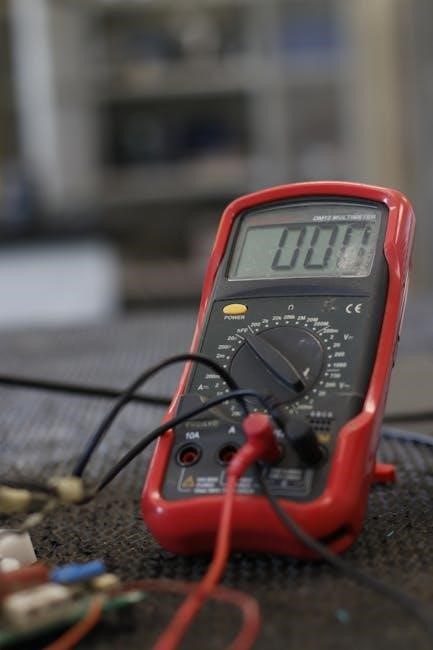
Complementing the CLD210M Differential Cylinder Pressure Tester with other diagnostic tools enhances comprehensive engine analysis; A digital clamp meter, like the 400A auto-ranging model mentioned in related manuals, is useful for electrical system checks․ Leak down testers provide a more detailed assessment of cylinder sealing, quantifying leak size․
Standard compression testers offer a baseline comparison, while various engine scopes and scan tools aid in identifying broader engine control system issues․ Having a reliable air compressor is crucial for powering the CLD210M and leak down tests․ Additionally, a selection of spark plug adapters ensures compatibility with diverse engine types․ Referencing the CLD210M’s manual alongside these tools’ documentation maximizes diagnostic accuracy and efficiency․